isra still 5_1.16.1.jpg
Swimmer8_3.3.1.jpg
Swimmer9_3.7.1.jpg
Jordeno_Civilsamhallet_1.jpg
Isra7_1.27.2.jpg
israk_1.29.2.jpg
isra still 1_1.7.1.jpg
hemsidan_fabriken_robertsfors.jpg
holmsund_hemsidan.jpg
red.jpg
IMG_8695.jpg

Sara Jordenö

Sara Jordenö is an internationally recognized, award-winning Film Director, Visual Artist, Writer, Theorist, and Curator whose practice spans more than two decades across Feature, Short-Form, and Experimental Film, Installation, Public Art Commissions, Writing, and Curatorial Work. Their transnational body of work is grounded in long-term research and sustained attention to the ethics and politics of representation and the role of the artist-as-witness. Working across international Film and Contemporary Art platforms and contributing to scholarship in Migration Studies, Jordenö investigates how authorship is negotiated within collaborative structures and how moving-image practice can function as both aesthetic inquiry and site of accountability.

Jordenö studied Creative Writing and Feminist and Critical Studies at Uppsala University before earning degrees in Interdisciplinary Contemporary Art and Film from Malmö Art Academy at Lund University (BFA, 2000) and the UCLA Department of Art (MFA, 2003). Their practice emerged from the Documentary, Educational, and Social Turns in Contemporary Art of the 1990s and 2000s, movements that expanded the role of the contemporary artist across media, publics, and institutional contexts.

Jordenö has demonstrated a distinctive ability to produce and circulate work across disciplines often institutionally separated: commercial and independent cinema, experimental film, research-based contemporary art practice with a focus on conceptual archives and installation, public art and site-specific commissions, nonfiction writing, curatorial projects, and social science research. Central to their methodology is sustained collaboration—working closely with communities, scholars, performers, and participants over extended periods of time—developing forms shaped through dialogue, shared authorship, and ethical accountability rather than extractive representation.

Jordenö directed the Feature Documentary KIKI, co-written with Twiggy Pucci Garçon and created in close collaboration with members of the New York City Kiki Scene, including Gia Love. The film premiered in the U.S. Documentary Competition at the Sundance Film Festival and in the Panorama Section at the Berlin International Film Festival. It received the Teddy Award for Best Documentary and Essay Film and the Kathleen Bryan Edwards Award for Human Rights, and was nominated for a Film Independent Spirit Award. KIKI screened internationally at IDFA, Sheffield Doc/Fest, Frameline, BAMcinemaFest, Sydney International Film Festival, and the Full Frame Documentary Film Festival. It was shown theatrically in the United States, the United Kingdom, and Sweden, and has received international broadcast and global streaming distribution across multiple territories.

Beyond its festival circulation, KIKI has entered contemporary art contexts internationally. The film was included in The Disobedience Archive: The Zoetrope, presented within the main exhibition Foreigners Everywhere at the 60th Biennale di Venezia, curated by Adriano Pedrosa. Subsequent iterations of The Disobedience Archive—curated by Marco Scotini—include The Open Storage at Kunsthal Charlottenborg (Copenhagen), La Calle at Fundación Proa (Buenos Aires), Archipélago at Hermenegildo Bustos Gallery (Mexico), and Canopy for a Broken Time, presented at Migros Museum für Gegenwartskunst (Zurich) in dialogue with Raqs Media Collective. KIKI has additionally been exhibited at the Museum of Modern Art (New York), Moderna Museet in Malmö, and the Walker Art Center in Minneapolis.

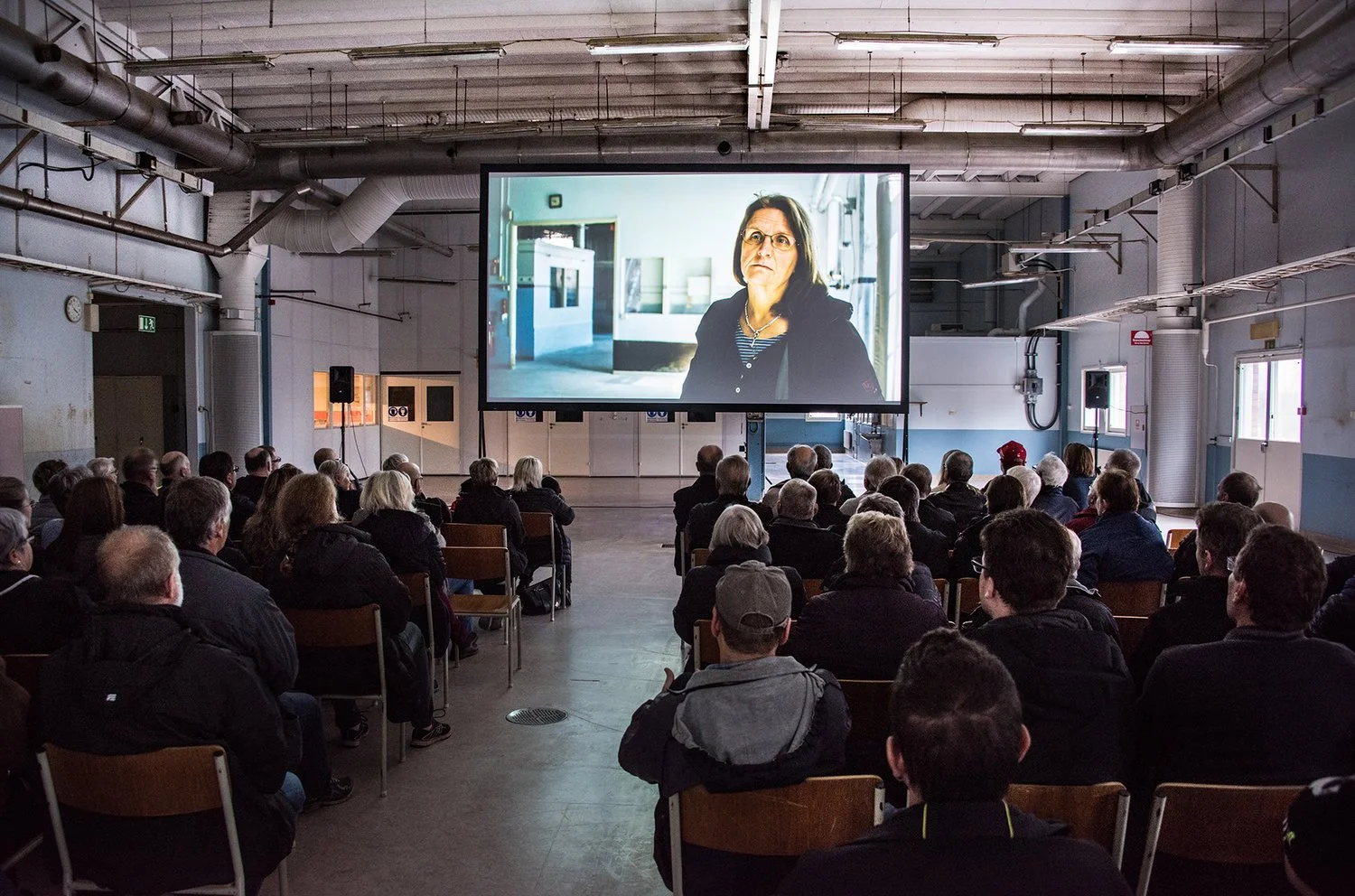
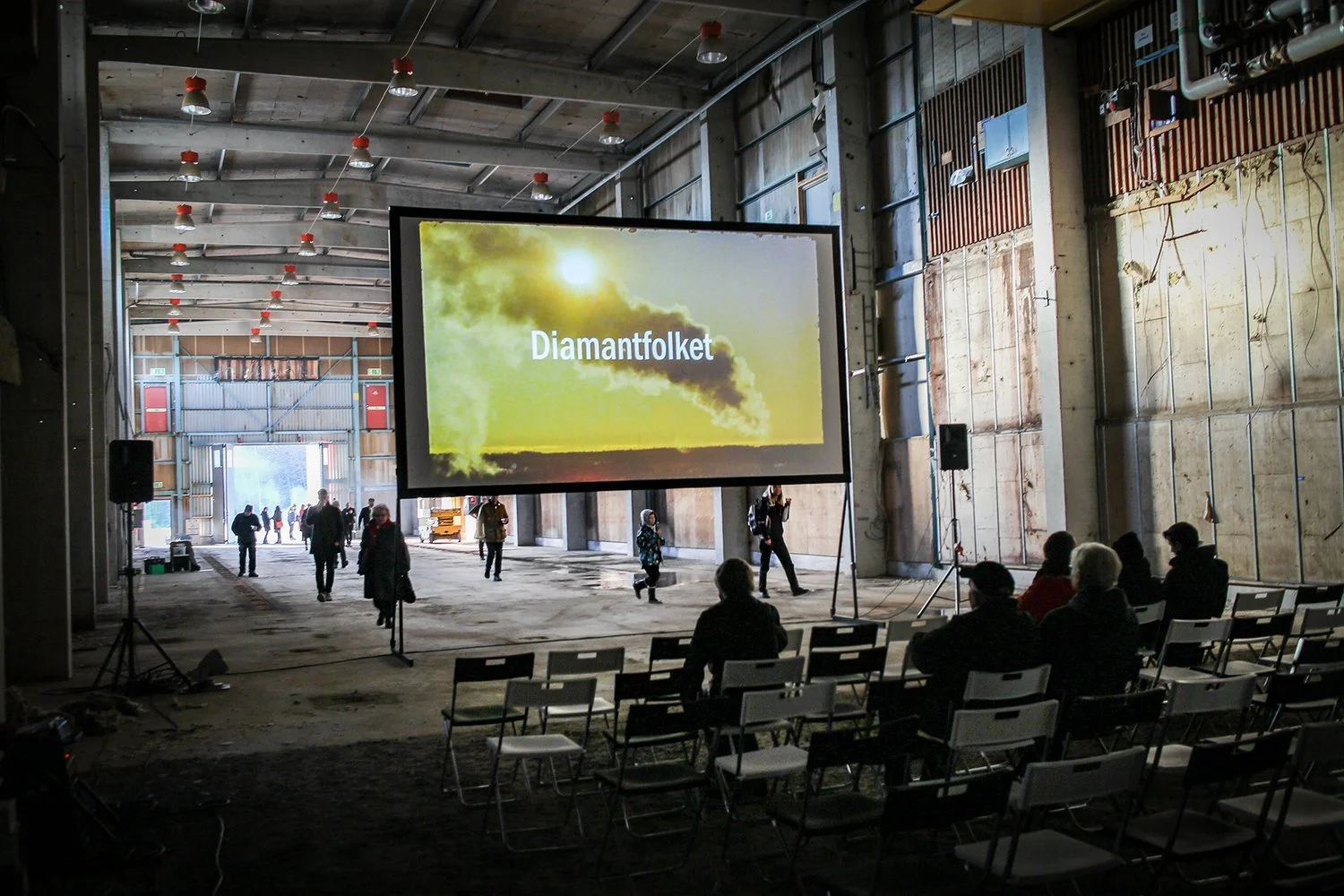
Over the past decade, Jordenö has directed a substantial body of Short-Form and Experimental Films engaging questions of labor, migration, civic responsibility, and memory. Diamond People, commissioned by The Public Art Agency Sweden and curated by Lisa Rosendahl, returns to Jordenö’s hometown in Northern Sweden to examine the closure of a synthetic diamond factory owned by De Beers. Inviting former employees back into the empty factory buildings, the film traces the emotional and political consequences of postindustrial rupture and the unraveling of a social contract between industry and community. At the Gothenburg International Biennial of Contemporary Art (GIBCA), curated by Elvira Dyangani Ose, the project was presented as a two-channel installation accompanied by documents and photographs collected over years of research.

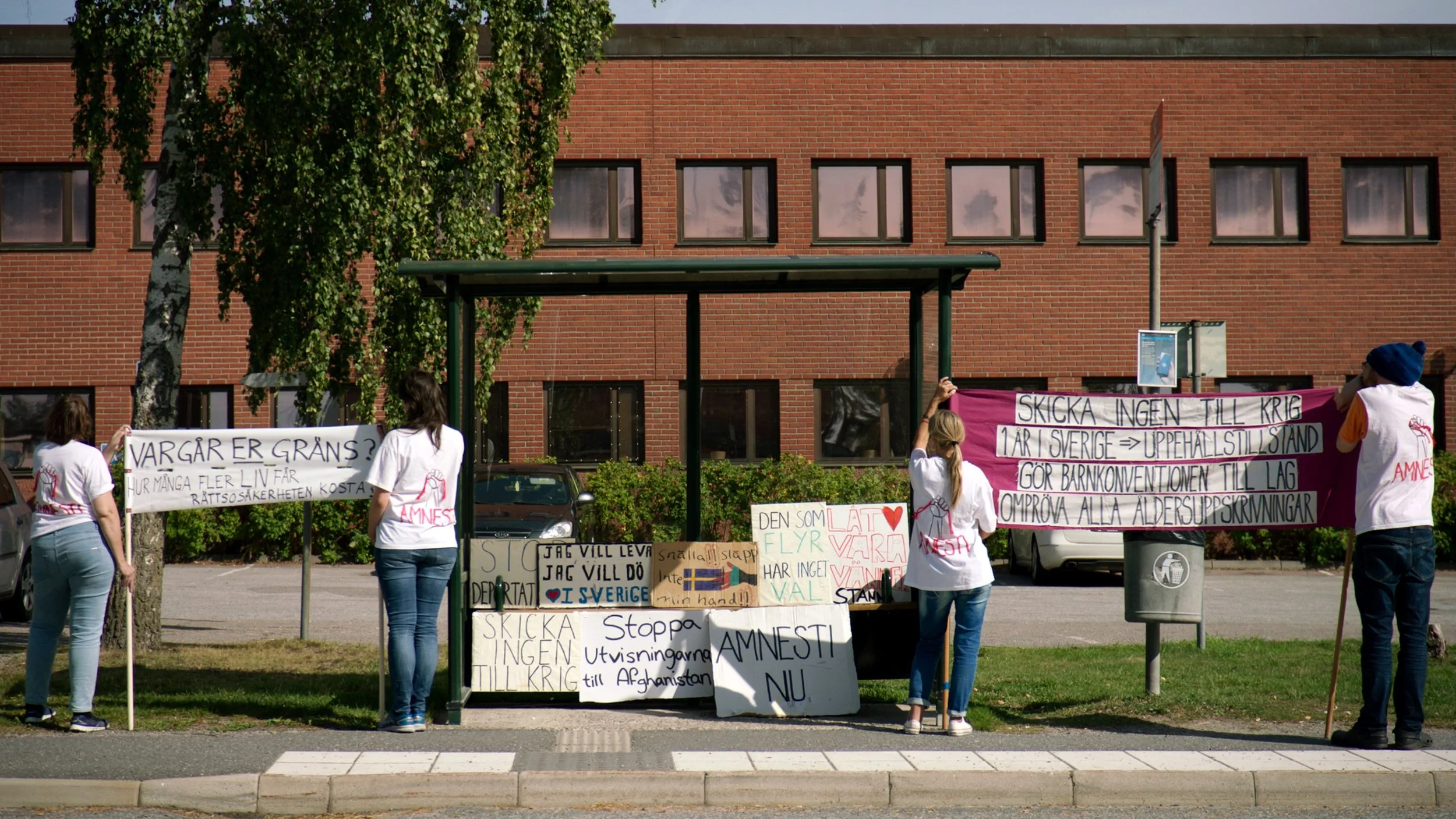
Civil Society is a mid-length documentary film that follows teachers, librarians, and social workers who first encounter one another while attempting to prevent the deportation of young asylum seekers from Sweden to Afghanistan. When the plane with the deportees takes off, their trust in a state long regarded as a global leader in human rights is shaken to the core. What begins as protest becomes vocation; what begins as outrage becomes sustained civic commitment. The film examines responsibility, care work, and the political consequences of stepping in when the state steps out.

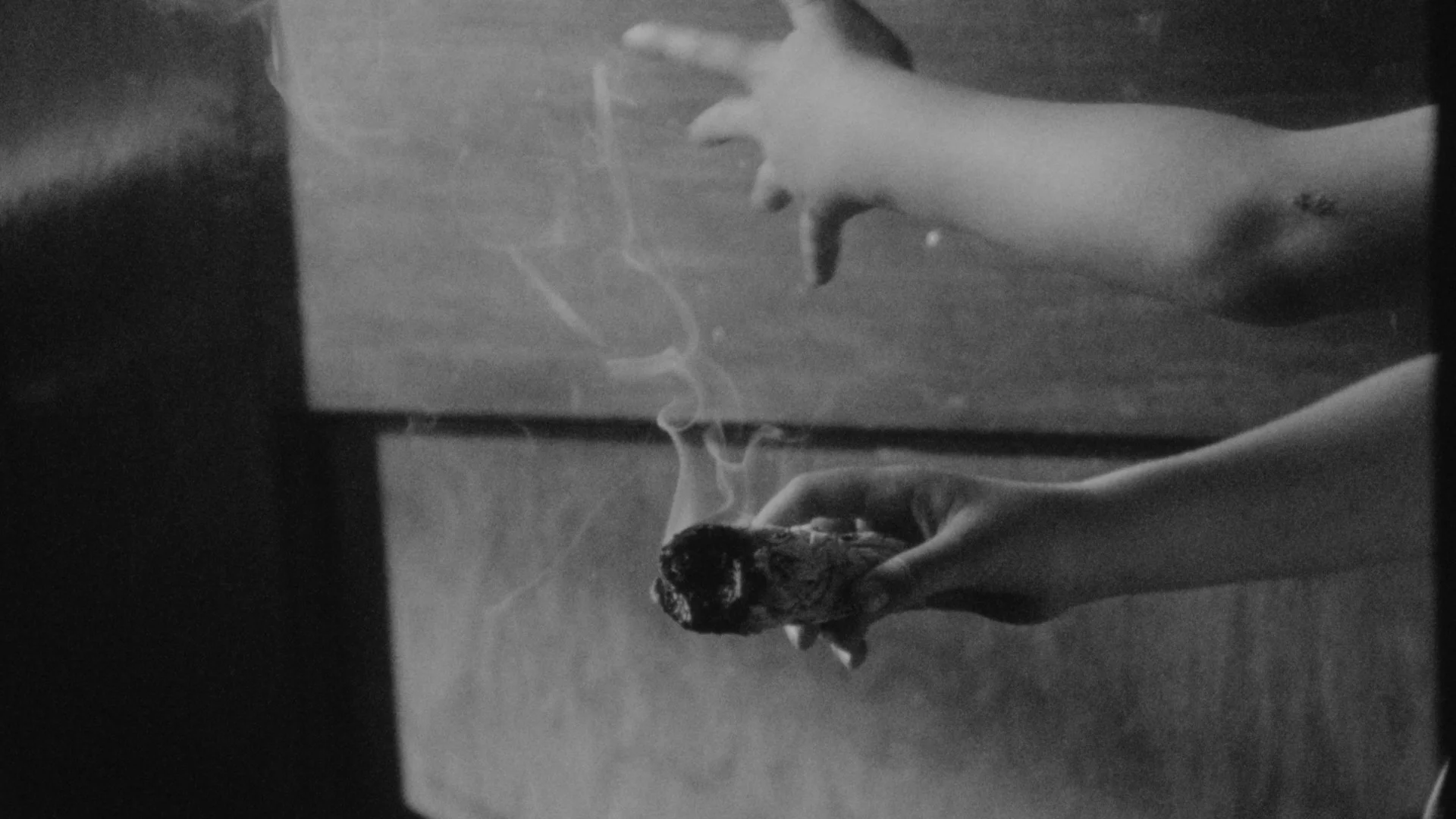
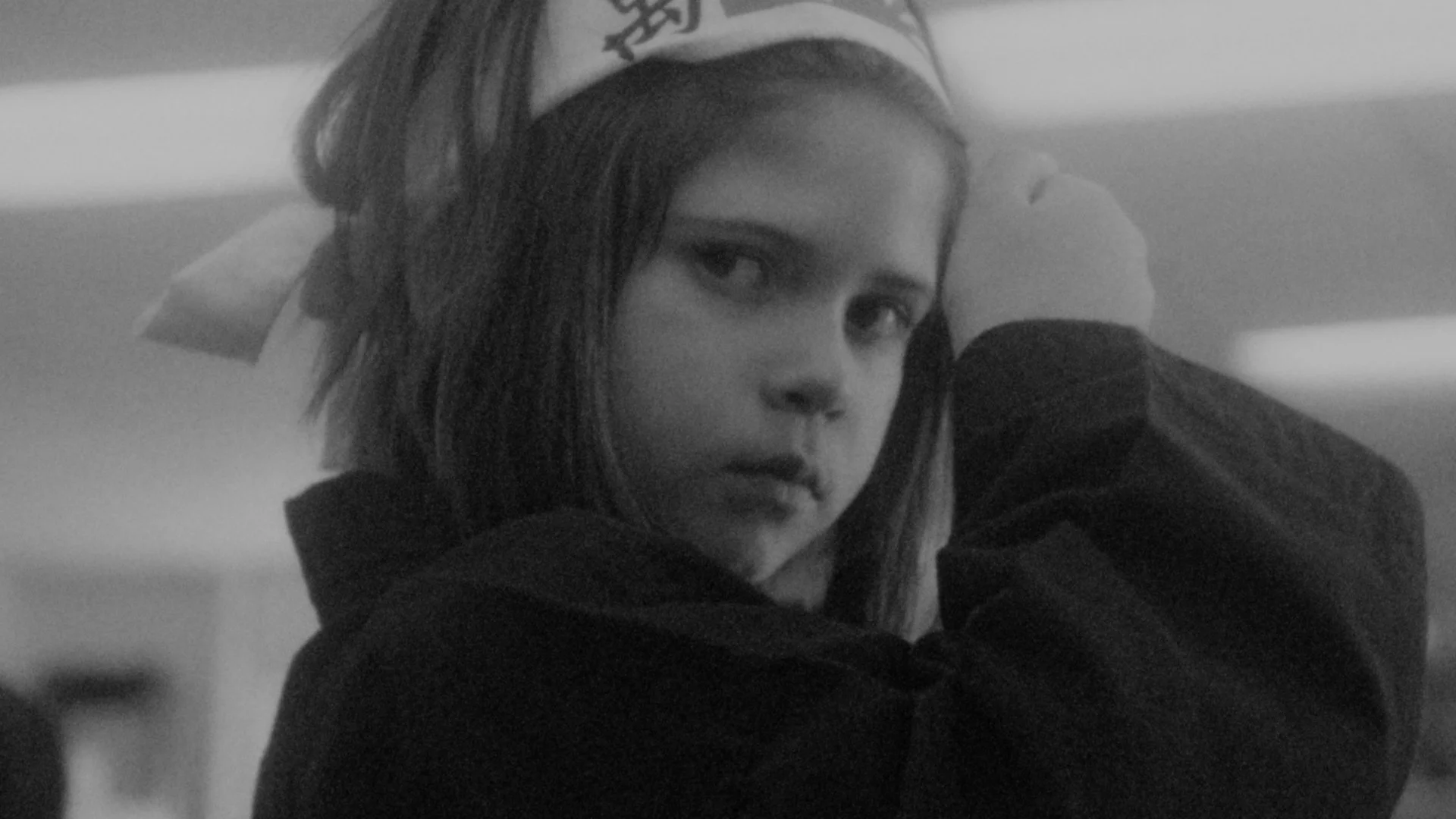
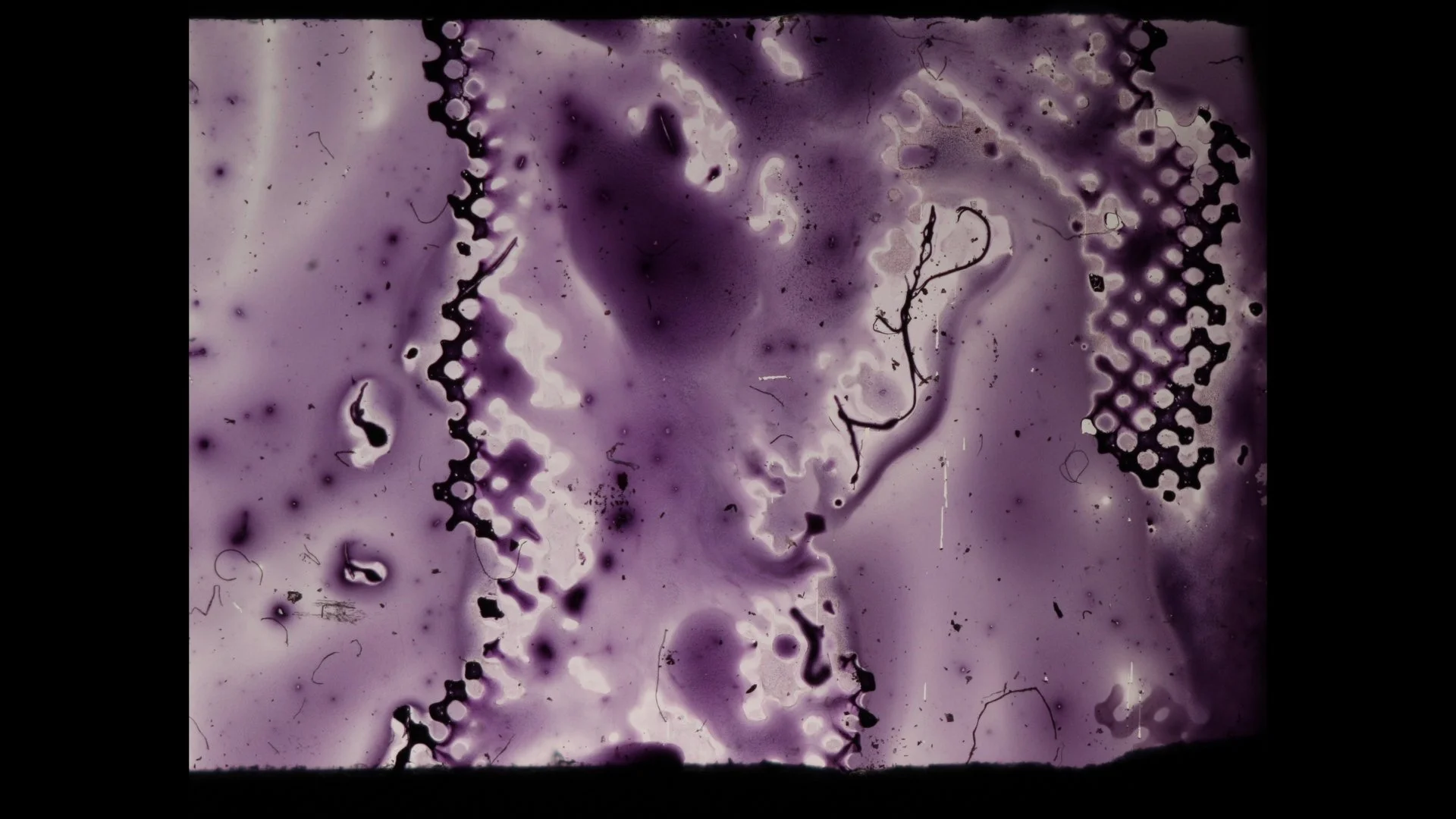
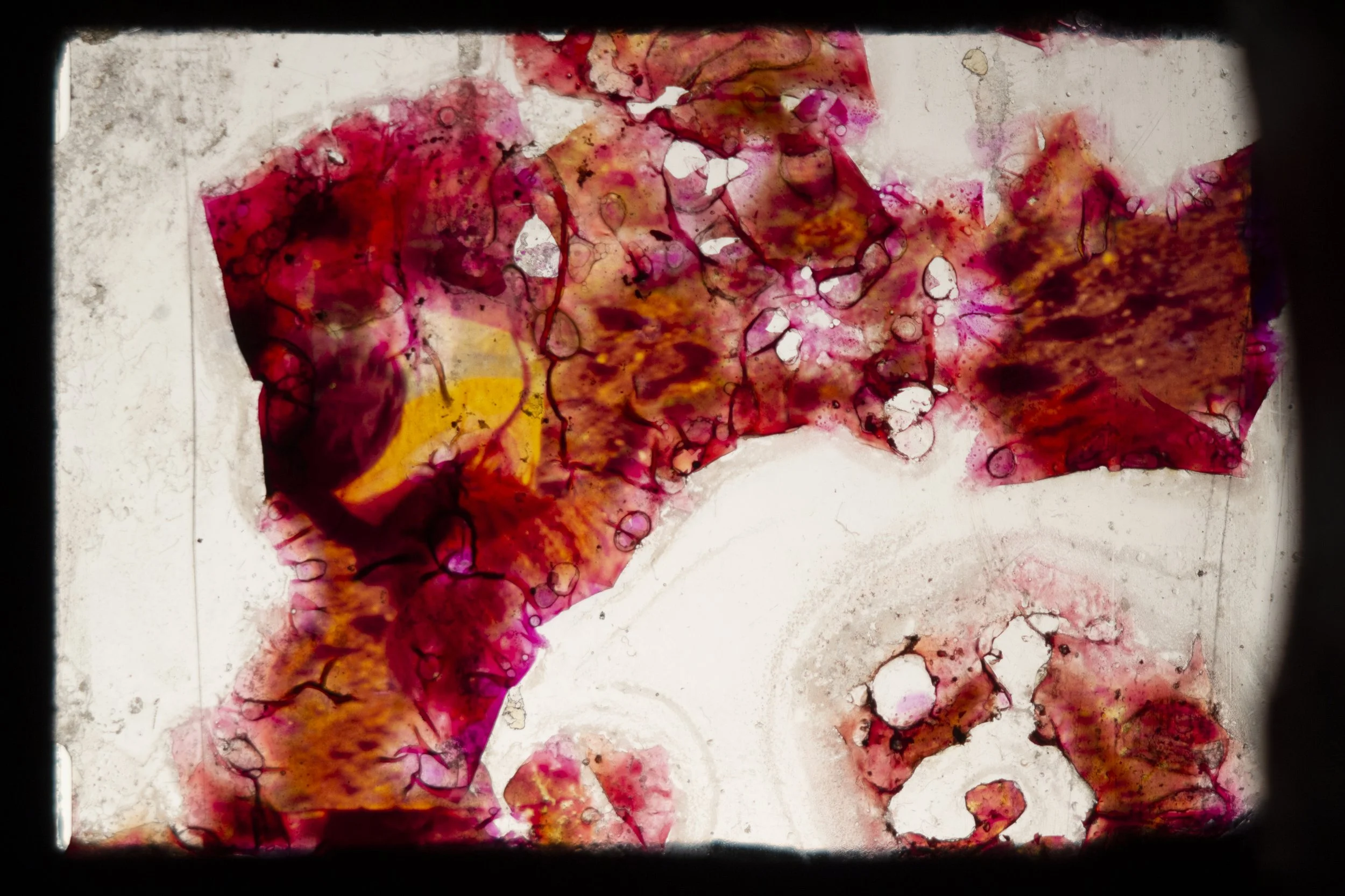
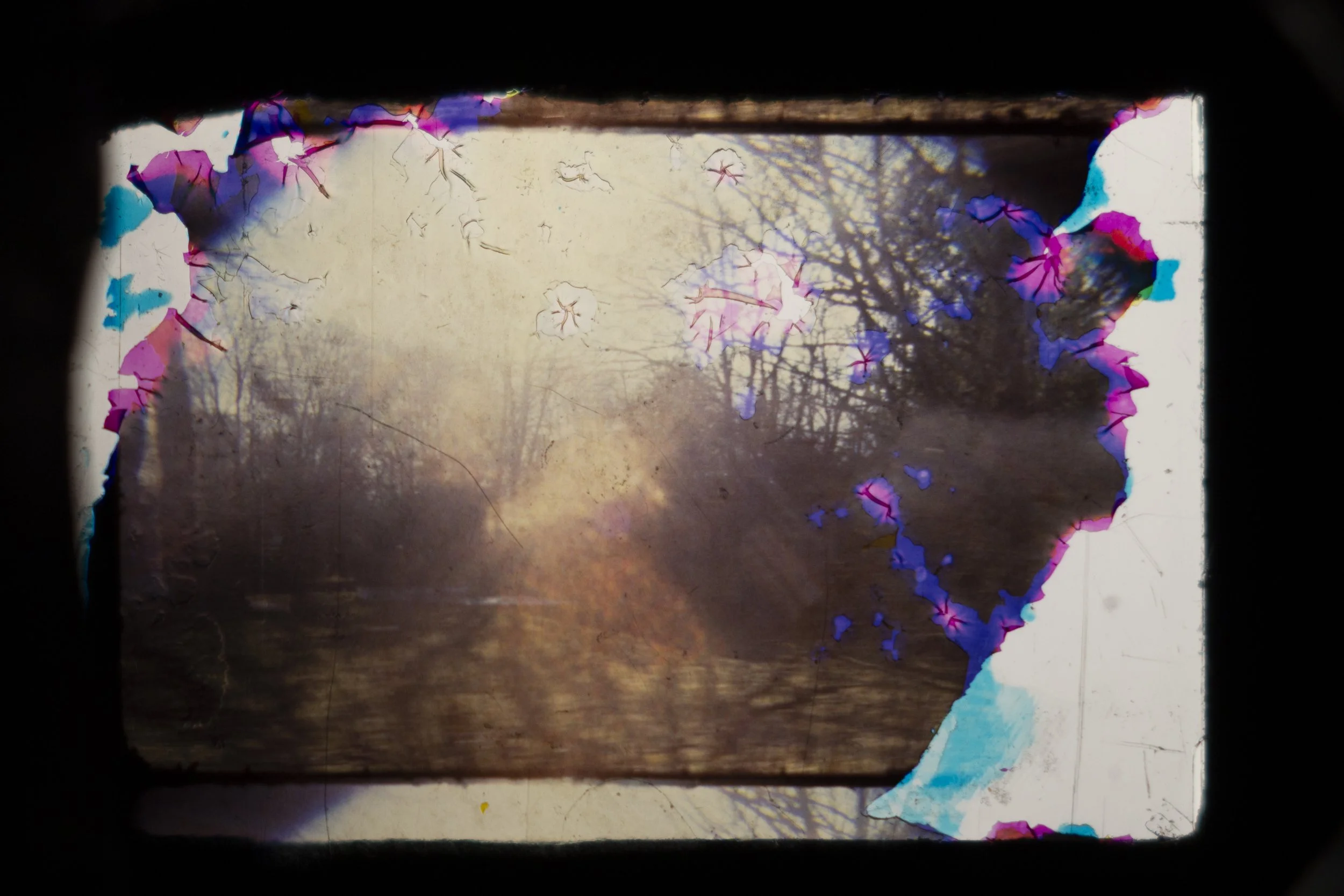
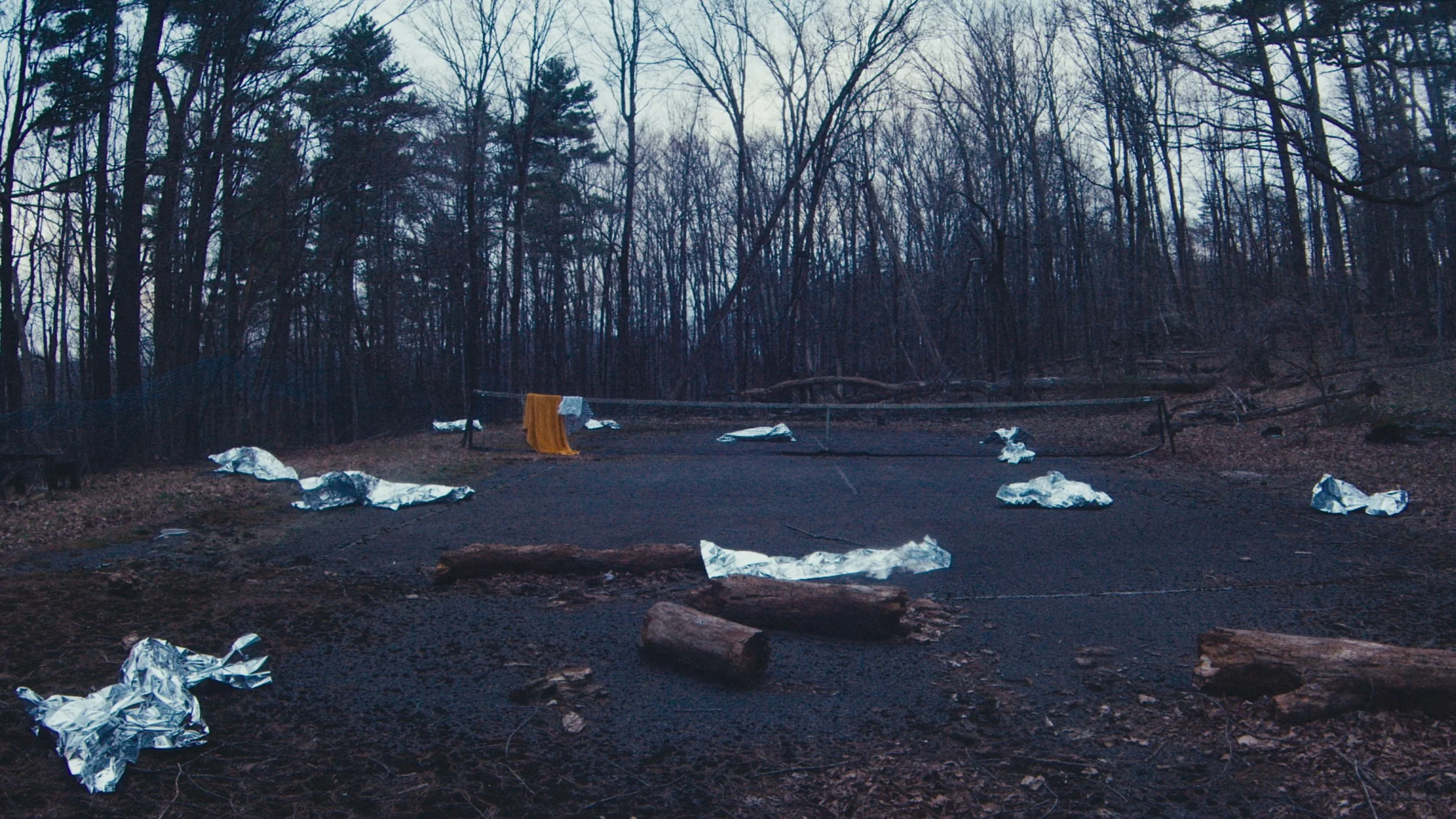
In Indelible in the Hippocampus (Isra), filmed over five years, Jordenö turns toward intimate and political memory through the figure of their daughter. Intercutting childhood rituals with images of a dark forest and the televised testimony of Christine Blasey Ford, the film situates private interiority within a contemporary political landscape marked by the erosion of reproductive and LGBTQ rights. The work becomes both an investigation of cinematic form and an act of political witnessing. This inquiry into queer parenthood and legal vulnerability extends into Jordenö’s commissioned film Jessie & Ellen’s Story (s16mm, 4 min), produced for GLAD (GLBTQ Legal Advocates & Defenders), which contributed to the implementation of the Rhode Island Uniform Parentage Act and supported expanded legal protections for LGBTQ families in Rhode Island.

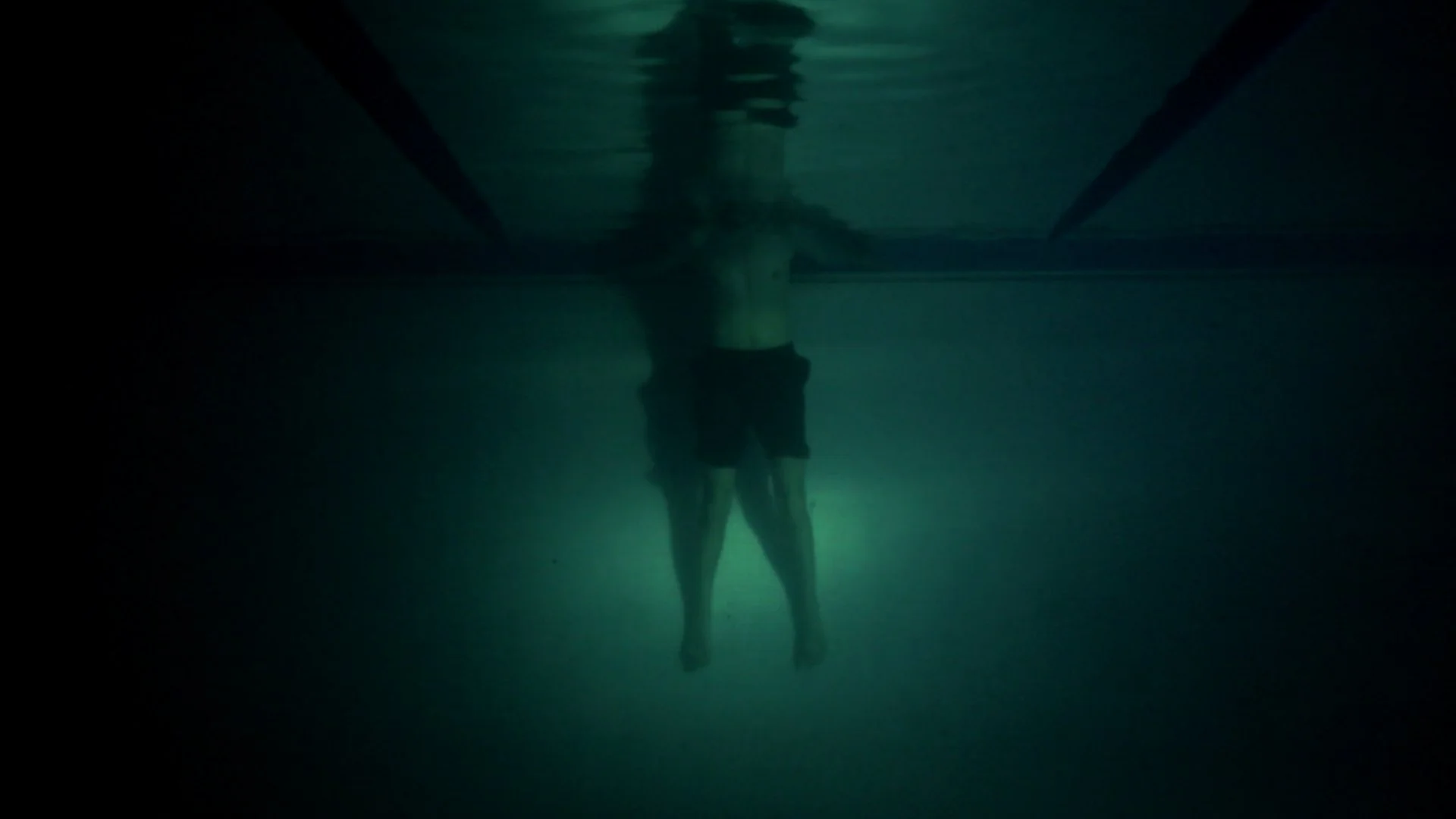
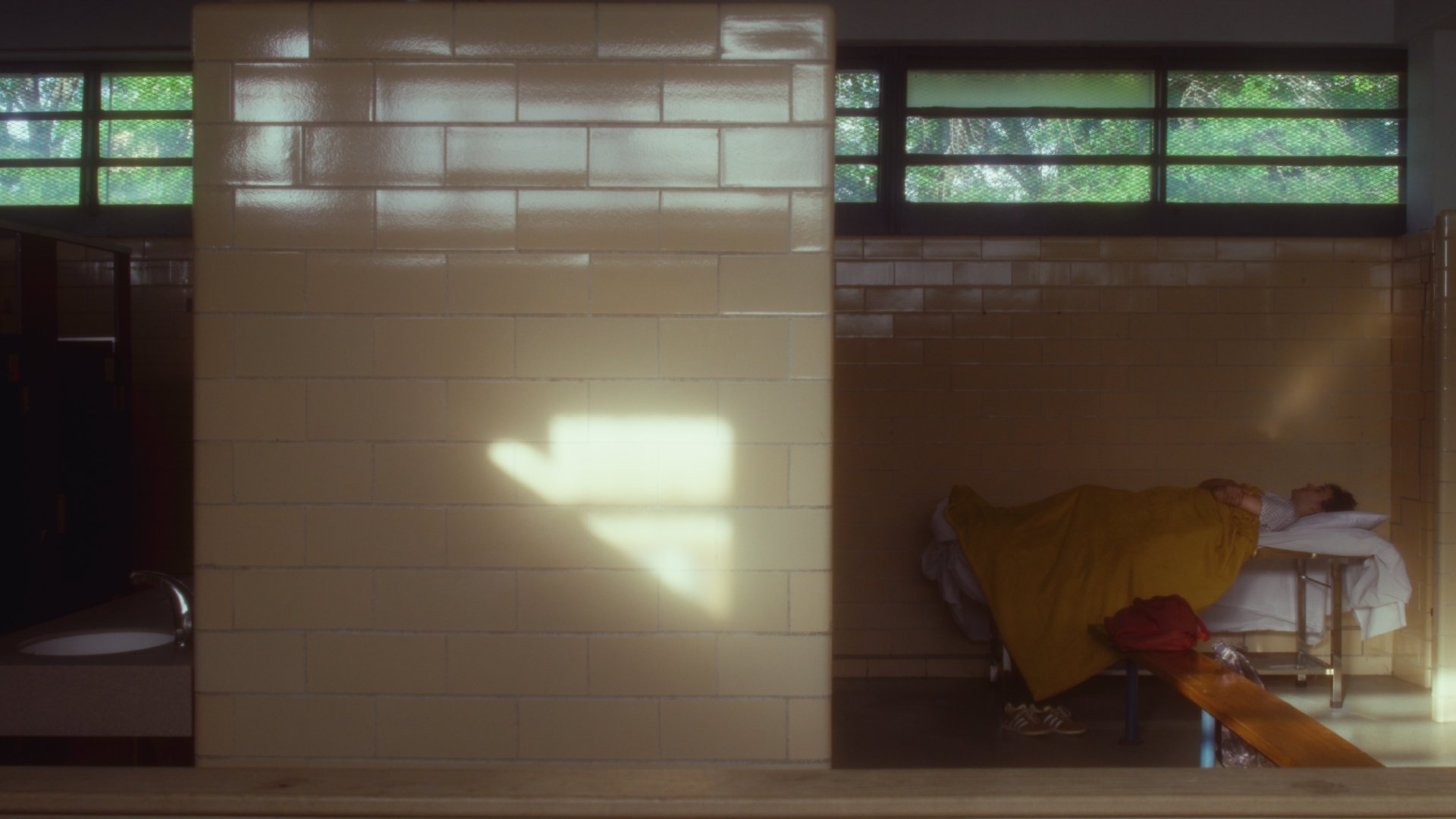
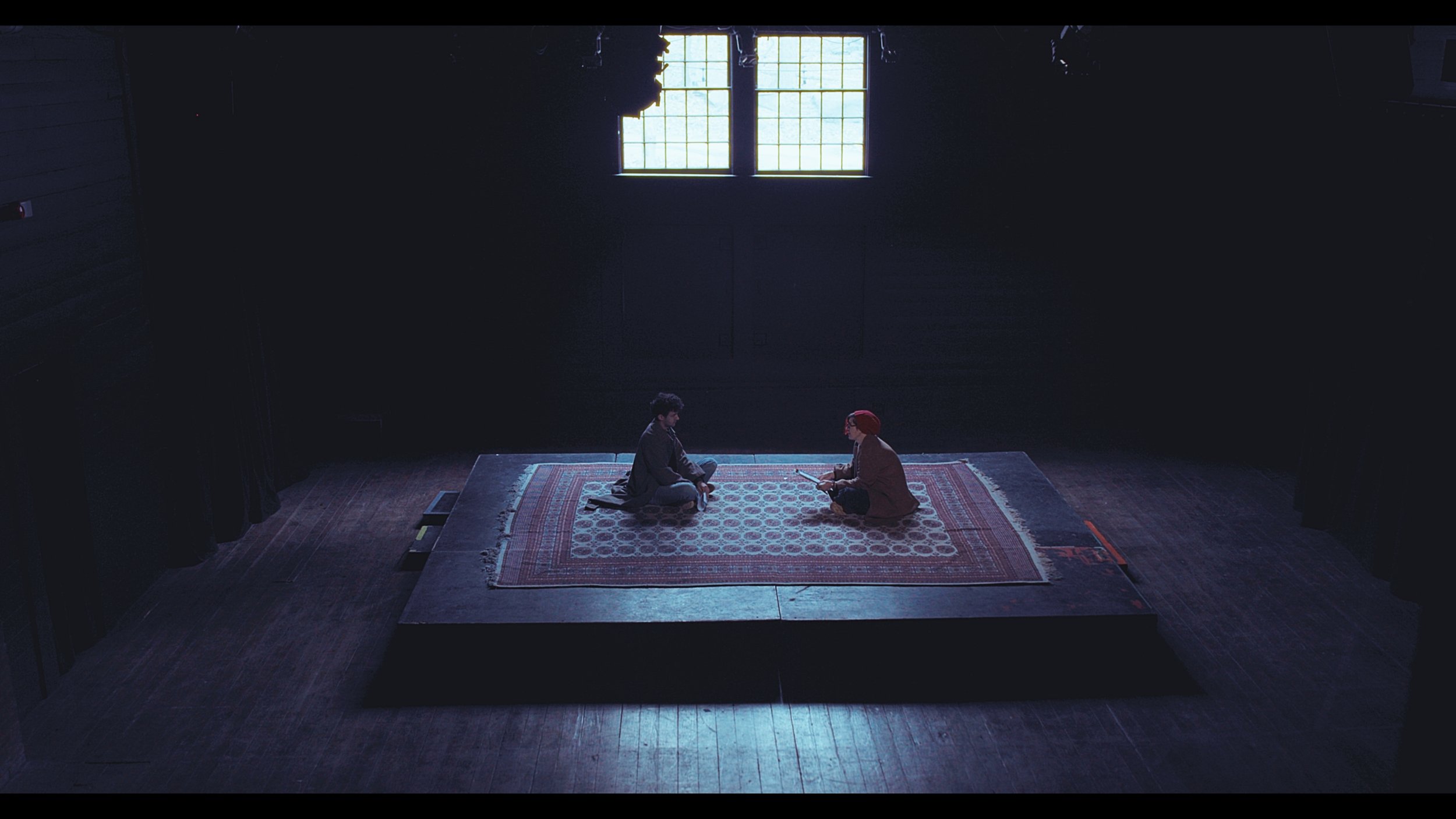
Jordenö’s forthcoming feature, The Swimmer, is a conceptual work of nonfiction that traces the fragmentary journey of an Afghan refugee and aspiring competitive swimmer who lived for years in the precarious limbo of the European asylum system. Within these systems, his life story is rendered currency, foreclosing the possibility of full truthfulness within structures that demand narrative coherence while producing instability. He asks Jordenö to make a film about him, beginning a long-term collaboration with the filmmaker. When he suddenly disappears, the film reorients around that absence, allowing disappearance itself to become the structuring condition of the work. The project shifts formally, entering staged conversations and constructed scenarios that probe the limits of representation and responsibility. The Swimmer interrogates disappearance as both lived condition and representational problem—literal, political, and cinematic—foregrounding the obligations and vulnerabilities of the artist-as-witness within contemporary nonfiction practice. Work-in-progress presentations have been shown at the 60th Biennale di Venezia, Springs Projects (Brooklyn), and the Borders Conference at the Center on Forced Displacement at Boston University.

Across Feature, Short-Form, and Experimental Film, Jordenö’s work has been shown theatrically in the United States, the United Kingdom, and Sweden, and has received international broadcast and global streaming distribution across multiple territories. Their moving-image installations, curatorial projects, and public art commissions have also been presented internationally at the Berlin Biennale for Contemporary Art and the Gothenburg International Biennial of Contemporary Art, and at institutions including the Museum of Modern Art (New York), Moderna Museet, the Walker Art Center, Kunsthal Charlottenborg, Bildmuseet, and The Kitchen.

Their honors include an Art Matters Award; multiple LEF Foundation grants; the Edstrandska Stiftelsen Emerging Artist Award; grants from IASPIS; support from the New York State Council on the Arts; the Frameline Finishing Grant; and numerous international festival awards. Artist residencies include the Lower Manhattan Cultural Council Workspace Program, IASPIS (Stockholm), NIFCA (Helsinki and Belgrade), the Banff Centre (Canada), Baltic Art Center (Visby), Abrons Art Center (New York), and the Art and Law Residency (New York). Their work has been widely reviewed in The New York Times, The Guardian, Vanity Fair, The Hollywood Reporter, Screen Daily, and Artforum.